ADS-B In vs ADS-B Out: What the Rule Requires and What a Portable Receiver Does
ADS-B Out is the transmitter the 2020 rule requires; ADS-B In is the receiver that shows you traffic and weather. Here is the rule, the airspace and the two frequencies.
Pilot gear buying guides
Which headset earns a four-figure price and which one is fine for training, what a portable ADS-B receiver shows you (and what it does not do for the mandate), how much oxygen the regulations want at 14,000 feet, and which tug moves a Bonanza. Every guide shows the makers' figures, the FAA source and what else you need to buy.
The specs behind every pick
The guides most readers need first.
Buying guideSix headsets from $500 ANR to the $1,299 Bose A30, compared on weight, battery life, warranty and plug options from the makers' own data sheets.
Read the guide
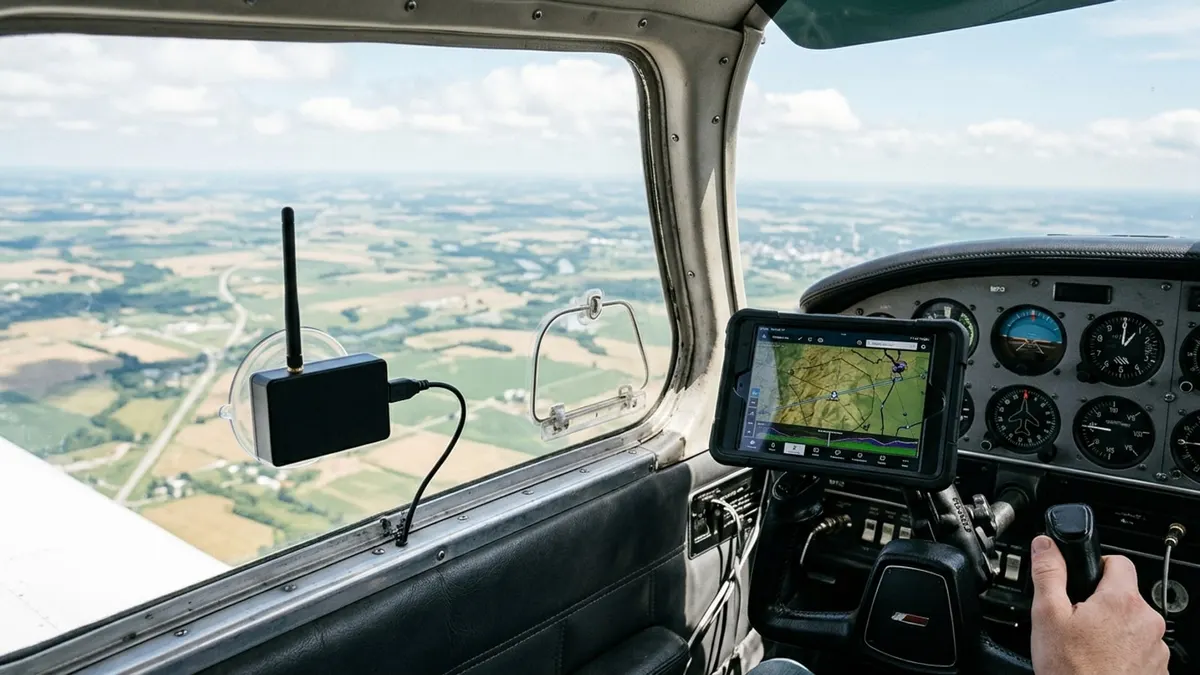
Buying guideFive portable ADS-B In receivers for traffic and free FIS-B weather on an iPad, matched to the app you fly with, from a build-it-yourself Stratux kit to the Garmin GDL 52.
Read the guide
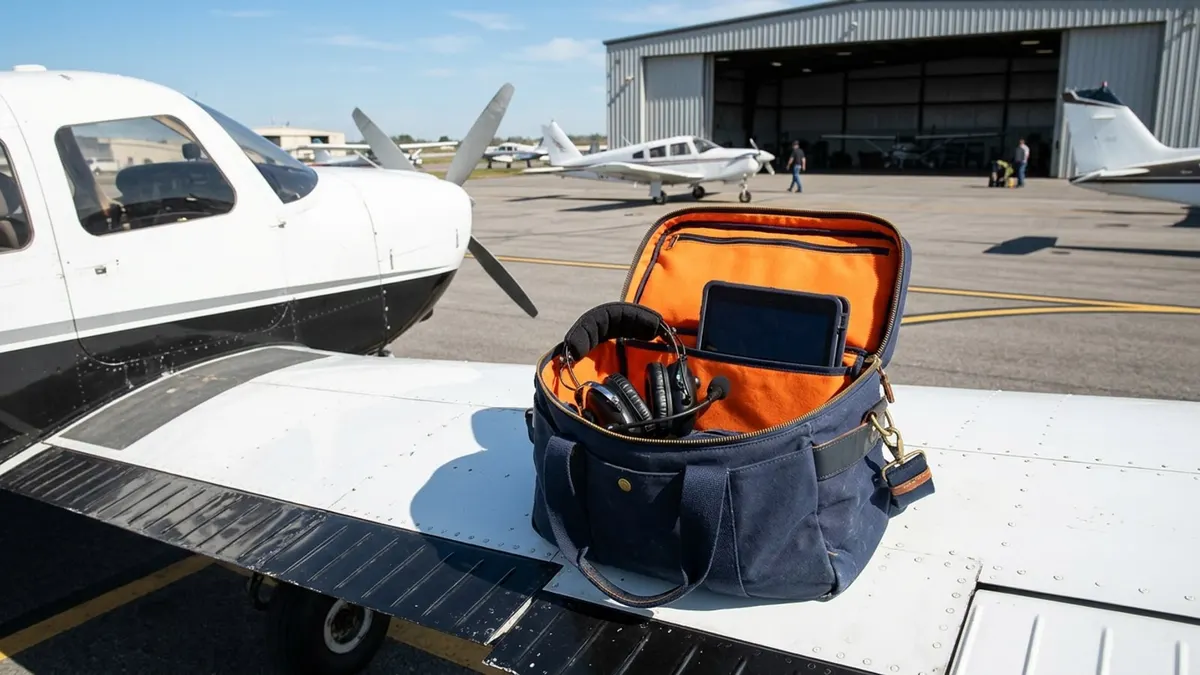
Buying guideSix pilot bags compared on headset protection, tablet storage, size and organization, from a slim under-seat bag to BrightLine's modular airline system.
Read the guide
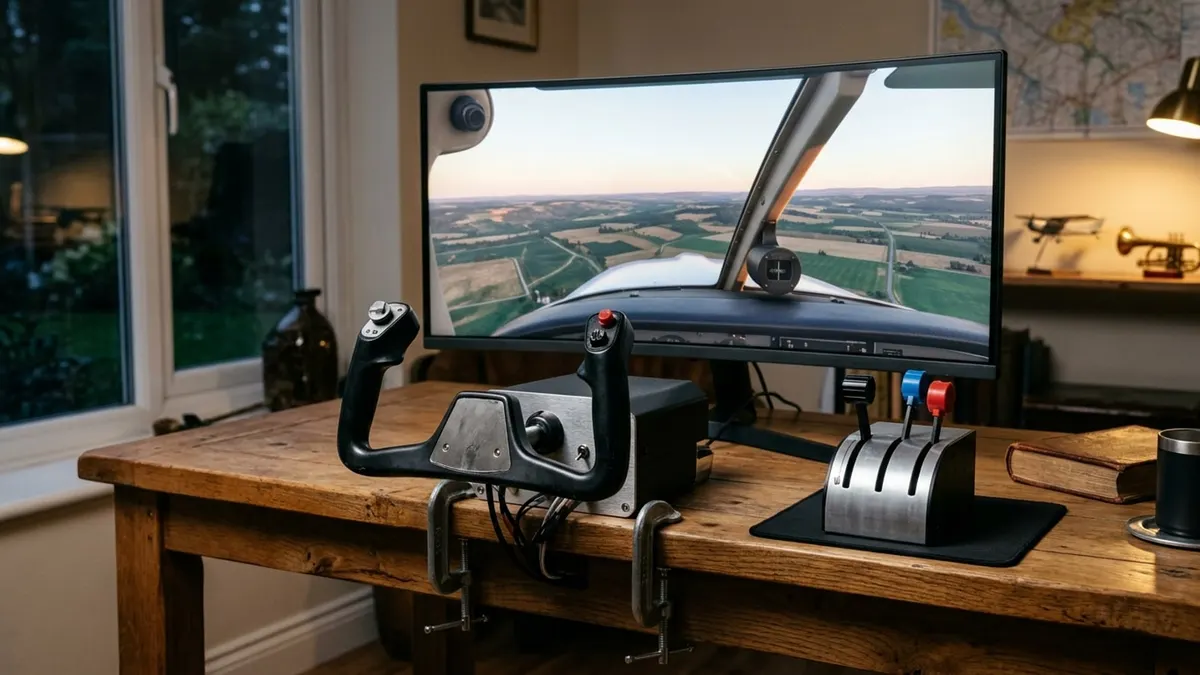
Buying guideFive yokes for a home simulator compared on rotation, build, switches, platform support and what else you need to buy, from a PC-only LITE to an Xbox all-in-one.
Read the guideStart from the job, not the brand. Each row names the usual kit and the guides that compare it.
A student pilot's first kit
A headset, a kneeboard, an E6B and a logbook
A headset upgrade
Active noise reduction, Bluetooth, the right plug
Traffic and weather on the iPad
A portable ADS-B In receiver and a mount
A backup radio
A handheld transceiver with a headset adapter
Instrument training
View-limiting glasses and a kneeboard
High-altitude and night flying
Oxygen, a pulse oximeter, a CO detector and a red light
An owner's hangar
A tug, tie-downs, a preheater and a fuel tester
A home simulator
A yoke, rudder pedals and a throttle quadrant
Makers' figures first
Weights, clamping force, battery hours, receiver frequencies, tow ratings and warranties from the makers' own pages and manuals.
A clear pick
Each guide names what we would buy, for which kind of pilot, and what else you need to buy with it.
Sources on every page
Every guide links the maker documents and FAA pages it was built from.
New and updated buying guides, comparisons and explainers.
ADS-B Out is the transmitter the 2020 rule requires; ADS-B In is the receiver that shows you traffic and weather. Here is the rule, the airspace and the two frequencies.
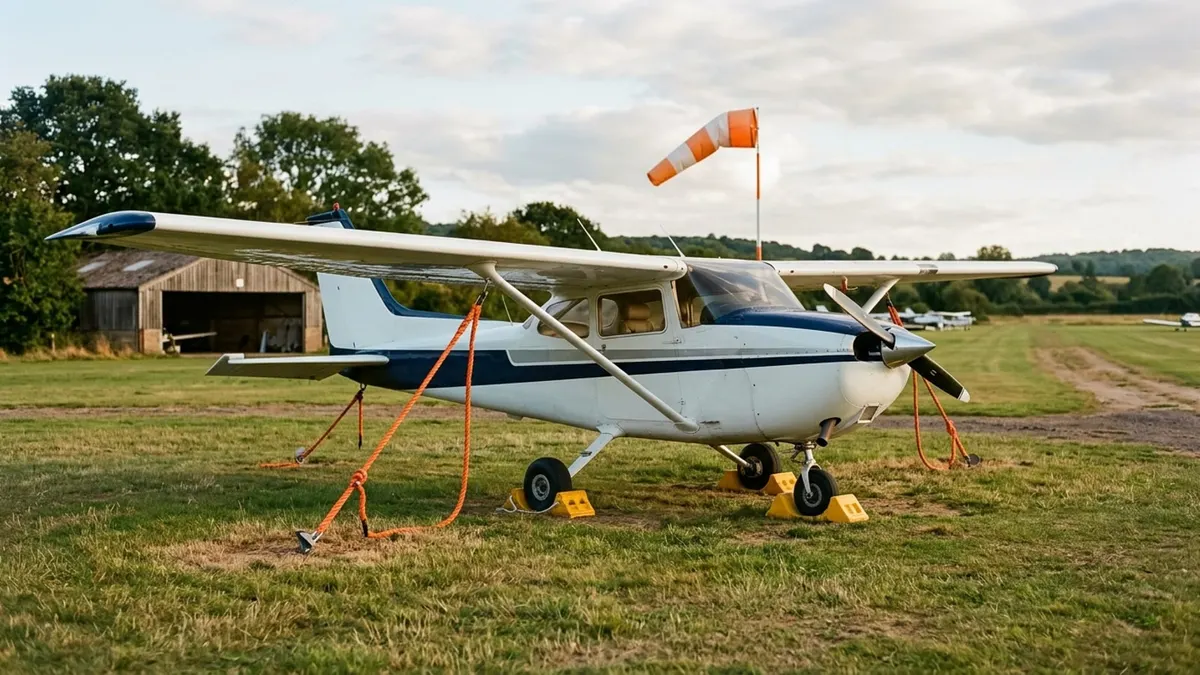
Lycoming's own threshold, why the whole engine and oil system need heat, and the two installed preheat designs most owners choose between.
The FAA's tie-down circular asks for ropes that resist about 3,000 pounds of pull. Here is how popular kits compare, and how to tie down and chock.
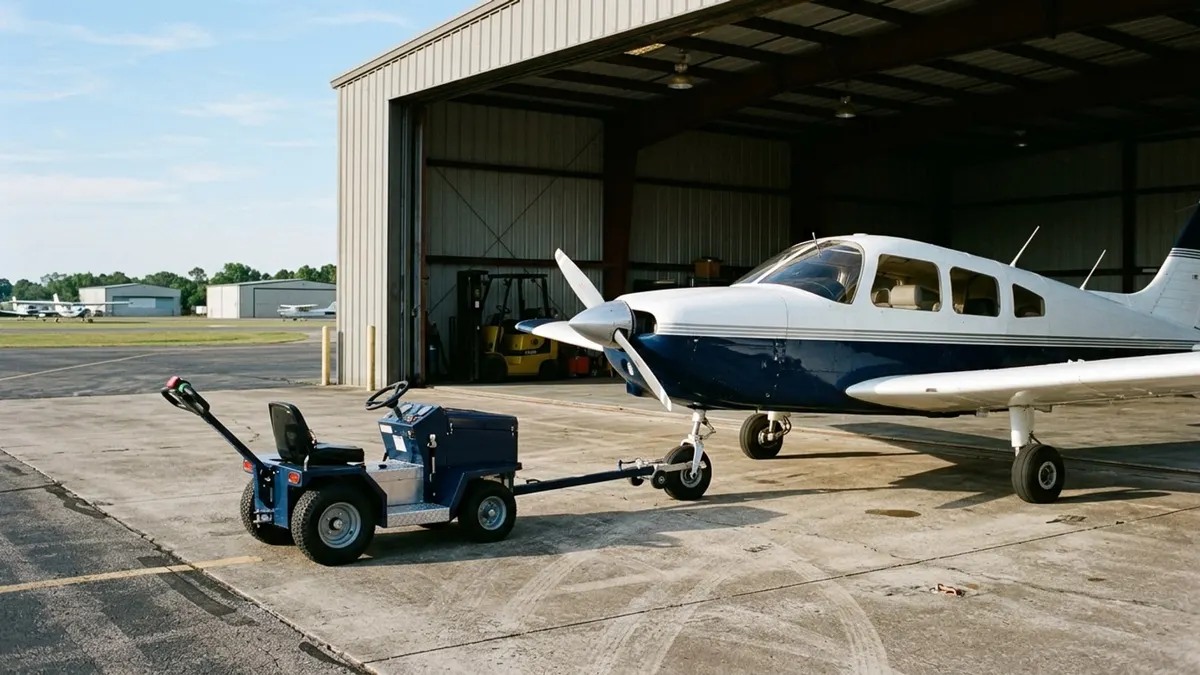
For airplanes up to 4,000 pounds, a tug comes down to three questions: your gross weight, your gear type and the surface you push on.
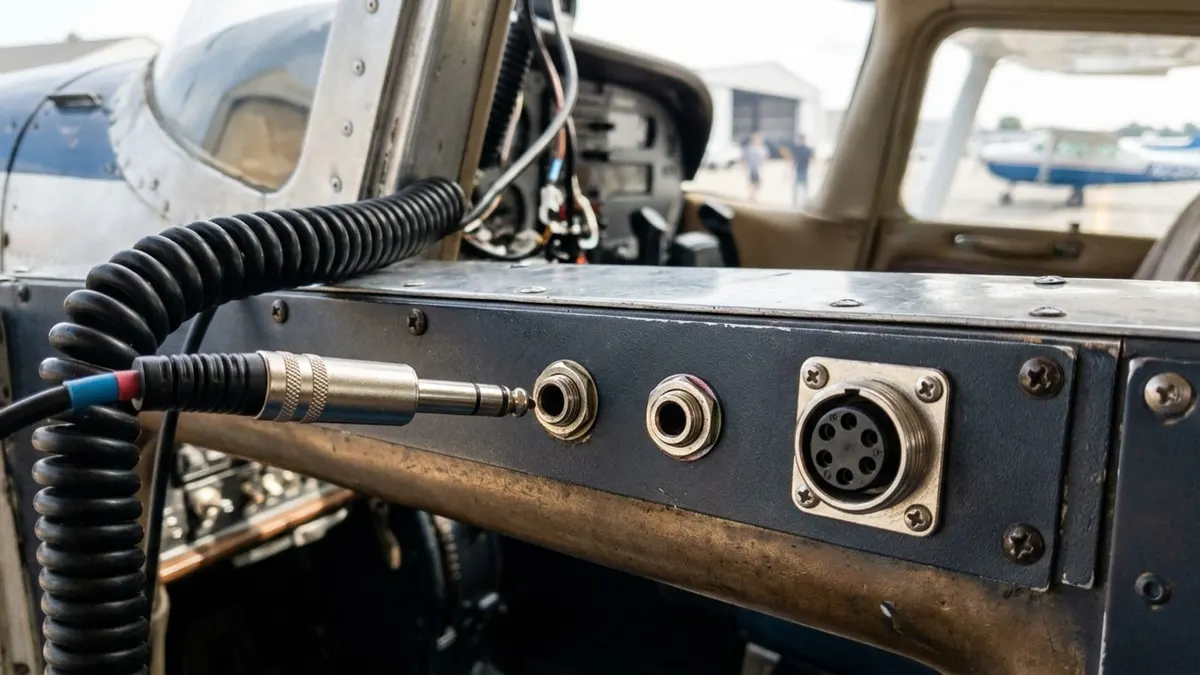
Pick your headset's plug and the aircraft's jacks; the finder says whether it plugs in, which adapter to use, and what happens to ANR power.
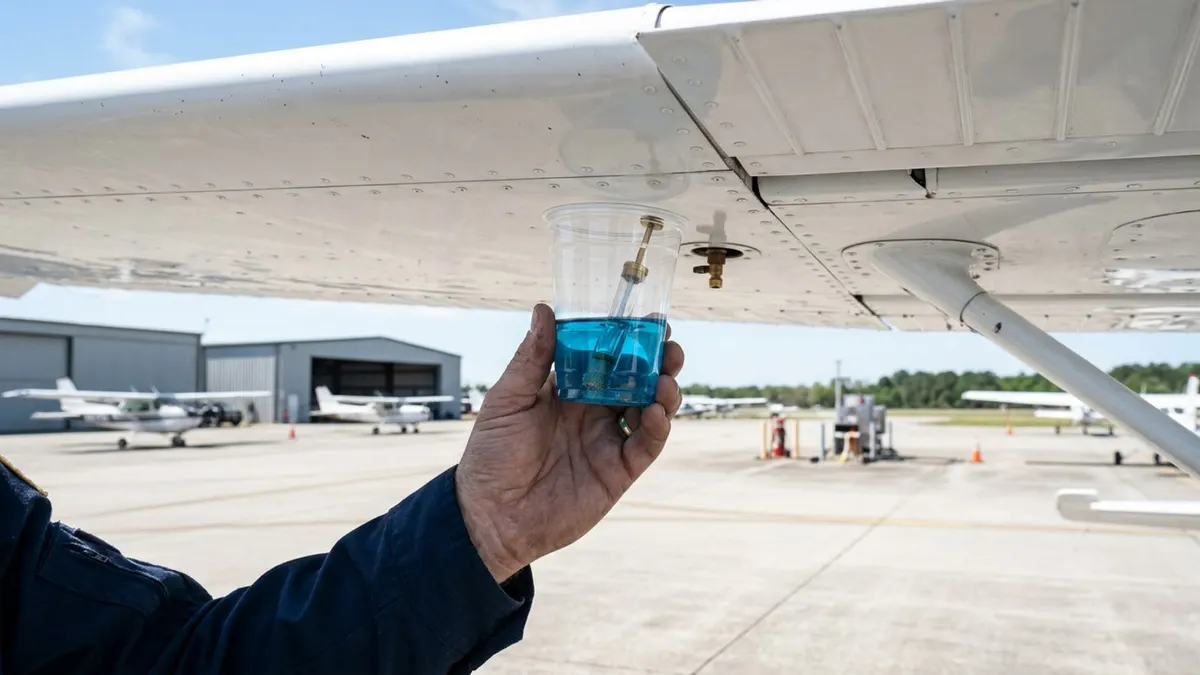
What the FAA's Airplane Flying Handbook says to look for in a fuel sample, and four testers that make it easier.