
Aircraft Engine Preheaters: When Lycoming Says to Preheat, and Tanis vs Reiff
When to preheat an aircraft engine (Lycoming: at 10 °F or lower, 20 °F for 76-series), and how Tanis multi-point and Reiff band-and-sump preheat systems work.
Affiliate disclosure: product links on this page go to Amazon or to the maker's own store. As an Amazon Associate we earn from qualifying purchases, at no extra cost to you; links to makers' own stores earn us nothing. No retailer or brand sees our picks before they are published or has any say in them. How we choose.
Lycoming says that for most of its engines, preheat should be applied anytime temperatures are at 10 °F or lower, and that its 76-series engines (O-320-H and O/LO-360-E) should be preheated below 20 °F, even with multi-viscosity oil. It warns that failing to preheat the entire engine and oil system can cause abnormal internal wear that reduces performance and shortens time between overhauls. How much heat, and which method, Lycoming leaves to the pilot's or mechanic's judgment; it does not recommend a heated dipstick.
The two installed systems most owners compare are Tanis, which uses threaded heating elements in each cylinder head plus pads on the case, and Reiff, which uses cylinder band heaters, an oil sump pad and an optional oil cooler element. Both are now sold by Hartzell Preheat, through its site and installers rather than Amazon, so these links earn us nothing.
When to preheat
| Engine | Lycoming's guidance |
|---|---|
| Most Lycoming models | Preheat at 10 °F or lower |
| 76-series (O-320-H, O/LO-360-E) | Preheat below 20 °F |
| Any Lycoming, with multi-viscosity oil | Same thresholds still apply |
| Continental engines | See Continental's Service Information Letter 03-1 and your engine manual |
Lycoming's point is that the heat has to reach the whole engine and oil supply, not just make it start. A quick blast of hot air on the cylinders can get an engine running while oil elsewhere is still too cold to flow well.
Installed preheat systems
Tanis multi-point
Hartzell describes Tanis systems as warming the engine from the inside out, with threaded heating elements in each cylinder head and heating pads on the engine case, to heat-soak the engine by warming the metal above the oil. It says Tanis was among the first preheat systems to meet FAA Supplemental Type Certification requirements. Tanis also makes systems for turbine engines and helicopters.
Reiff band and sump
Hartzell describes Reiff systems as multi-point cylinder band heaters plus an oil sump pad and an optional oil cooler element, in a Standard version for routine winter use and a higher-wattage XP version for colder climates, with an application list by engine. The design is external, which Hartzell says enables easy installation.
Which to choose
- Tanis if you want heat delivered directly into each cylinder head and the case, and an STC'd multi-point system.
- Reiff if you want external bands and a sump pad, with an XP option for very cold bases.
- Either way, check the manufacturer's application list for your exact engine and have an A&P install it.
Installed or portable?
Lycoming says most preheat methods are satisfactory, with the exception of the heated dipstick, which it does not recommend, and it leaves the amount of heat and the method to the pilot's or mechanic's judgment. In practice owners choose between an installed electric system that stays on the engine and is plugged in before flights, and a portable forced-air heater used through the cowling. An installed system can be left on ahead of time and heats the cylinders, case and oil directly; a portable heater needs someone there to run it and blows warm air that may not reach the oil sump, lines and cooler that Lycoming says must be warmed along with the rest of the engine.
What else Lycoming says about a cold start
- Battery. Its output falls in the cold just as thick oil raises the cranking load. A discharged battery can freeze and then has to be replaced, so recharge it at once after a failed start and make sure the master switch is off whenever the airplane is parked.
- Oil. All oils thicken as the temperature drops, and a summer-weight oil is not suitable in cold weather.
- Fuel. Even a tiny bubble of water can freeze in a fuel line and cut off the flow. Keep the tanks full against condensation, drain the tanks and sumps before every flight, and check on the ground that the fuel selector moves freely.
- Breather. Before a flight in bad weather, look at the relief opening in the engine breather tube, so that ice at its end cannot cost you engine oil.
- Heater. Have the cabin heating system checked for leaks as part of regular maintenance, because you cannot smell carbon monoxide.
- First try. A start on the first attempt may be essential, since a failed one can ice over the spark plugs.
Lycoming frames its guidance around operation down to -25 °F and says colder, Arctic operation needs more specialized knowledge.
Questions for your A&P
- Which Tanis or Reiff kit is on the application list for my exact engine model?
- Is it installed under an STC, and what paperwork goes in the logbooks?
- Does my hangar or tie-down have power where the cord will reach, and will I use a timer or remote switch?
- How long should I preheat before starting in our coldest weather?
Making preheat work
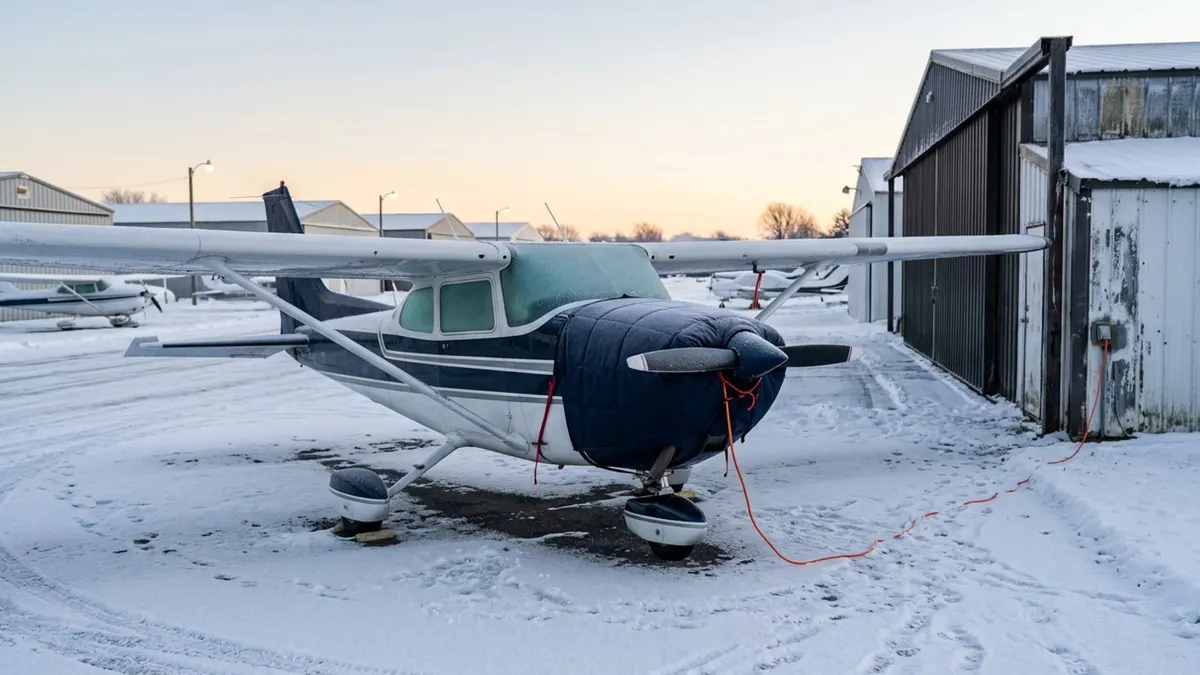
- Use an insulated cowling cover or engine blanket to hold the heat in.
- Give the system enough time to heat-soak the whole engine before you start; follow the preheat maker's instructions.
- Use a remote switch or timer if you cannot get to the hangar early.
- Run through the cold-weather starting procedure in your POH, and follow Lycoming's or Continental's guidance for your engine.
Winter also brings cabin heat and with it carbon monoxide risk: see the CO detector guide. Moving the airplane out of a cold hangar? See the aircraft tug guide.
Frequently asked questions
At what temperature should I preheat my aircraft engine?
Lycoming says at 10 °F or lower for most of its models, and below 20 °F for its 76-series engines (O-320-H and O/LO-360-E), even with multi-viscosity oil. For Continental engines, see Continental's SIL 03-1.
What happens if I don't preheat?
Lycoming warns that failing to preheat the entire engine and oil system as recommended can cause abnormal internal wear, reducing performance and shortening time between overhauls.
What is the difference between Tanis and Reiff preheaters?
Tanis puts threaded heating elements in each cylinder head plus pads on the case. Reiff uses external cylinder band heaters, an oil sump pad and an optional oil cooler element. Both are now sold by Hartzell Preheat.
Is a heated dipstick a good preheater?
Lycoming says it does not recommend the heated dipstick, though it considers most other preheat methods satisfactory.
Do I need an A&P to install a preheat system?
Installed systems are alterations to the aircraft; have an A&P install them using the manufacturer's application list and instructions for your engine.
Sources
- Operating in Cold Weather, Lycoming
- Tanis preheat systems, Hartzell Preheat
- Reiff preheat systems, Hartzell Preheat
Cover image: Illustration: Aviation Gear Review (AI-generated)
Related guides
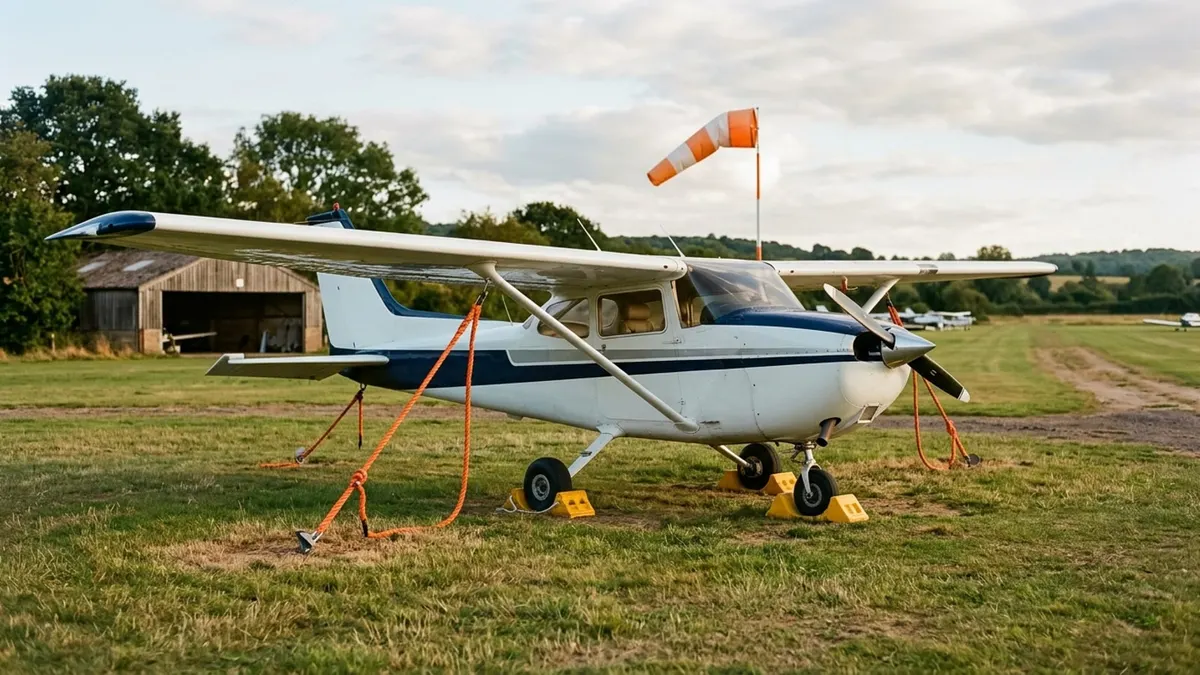
Aircraft Tie-Downs and Chocks: The FAA's Guidance and the Kits That Meet It
The FAA's tie-down circular asks for ropes that resist about 3,000 pounds of pull. Here is how popular kits compare, and how to tie down and chock.
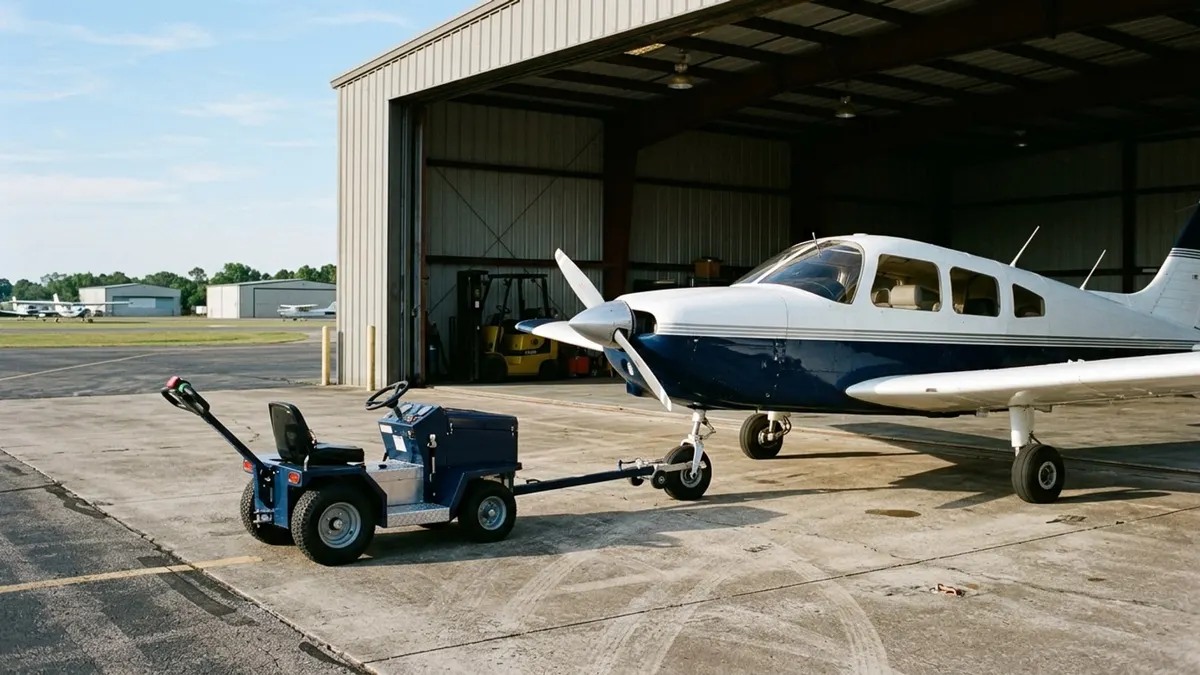
Aircraft Tugs for Owners: Electric, Drill-Powered and Manual Compared
For airplanes up to 4,000 pounds, a tug comes down to three questions: your gross weight, your gear type and the surface you push on.
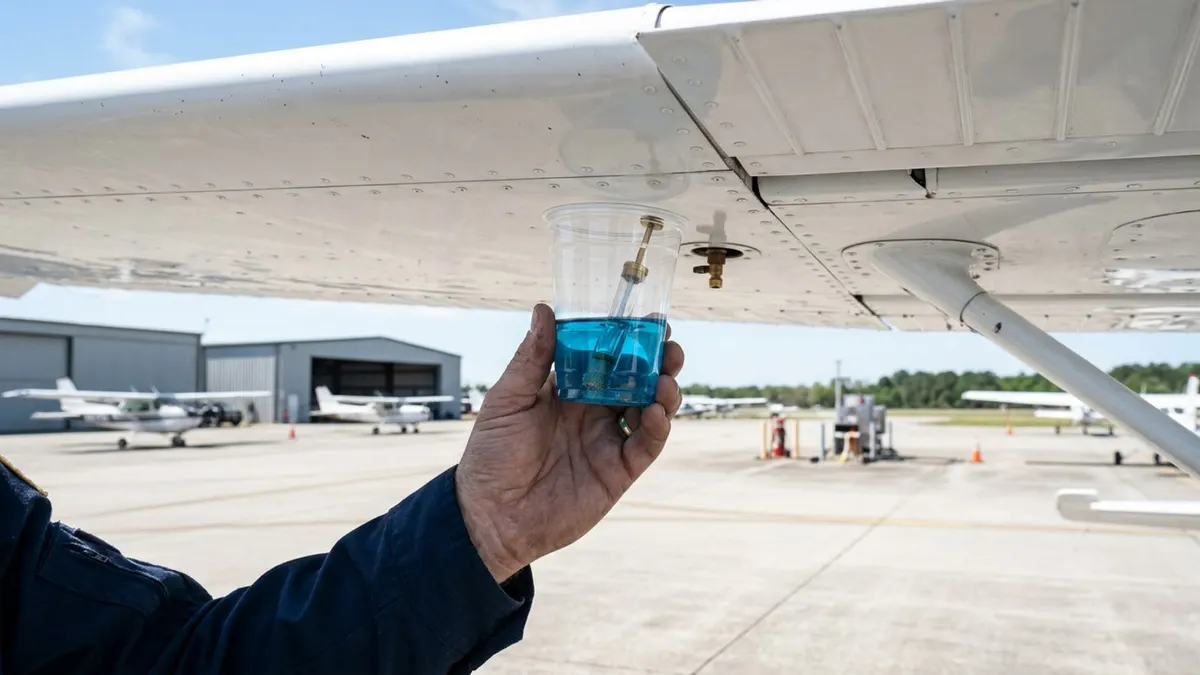
Best Aircraft Fuel Testers of 2026: GATS Jar, Compact and Classic Samplers
What the FAA's Airplane Flying Handbook says to look for in a fuel sample, and four testers that make it easier.